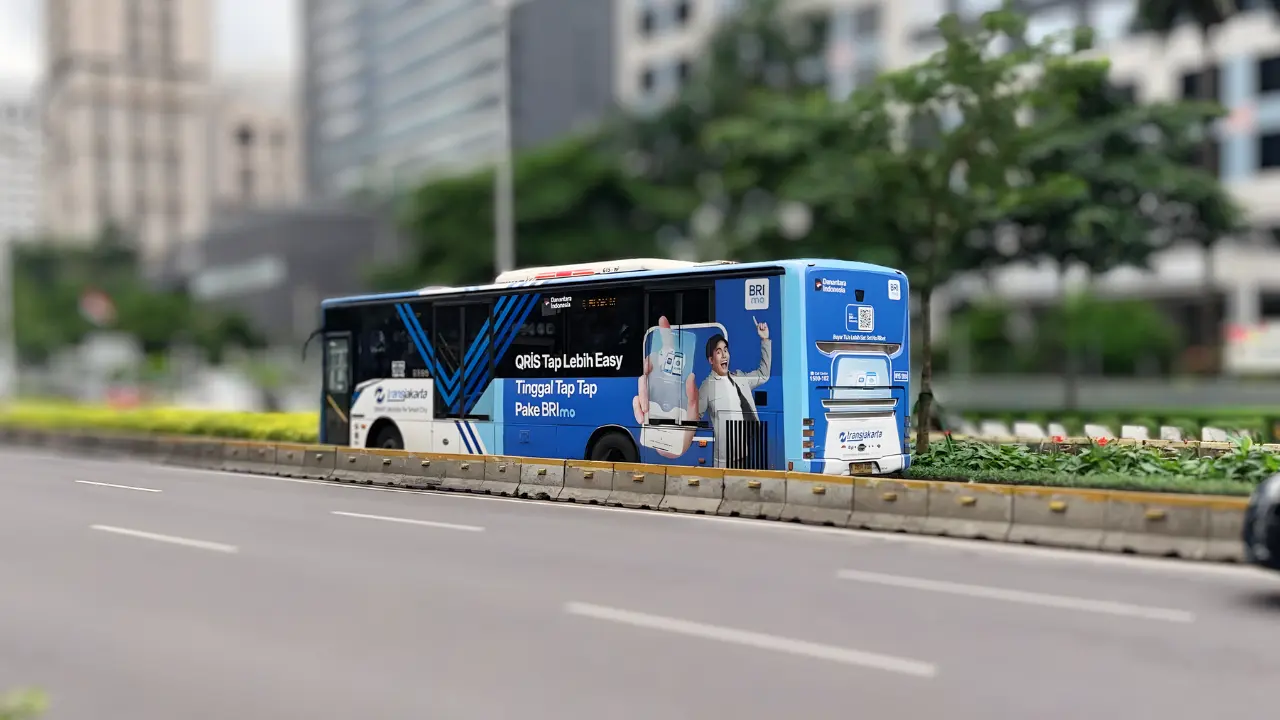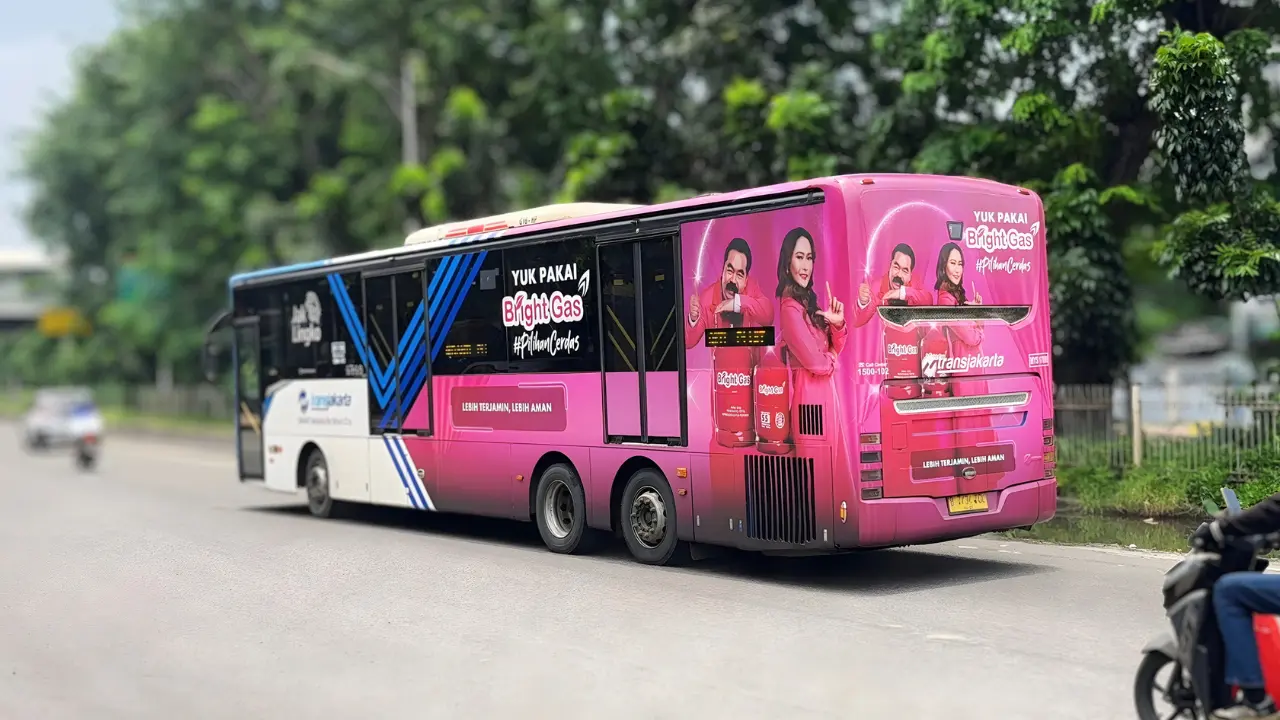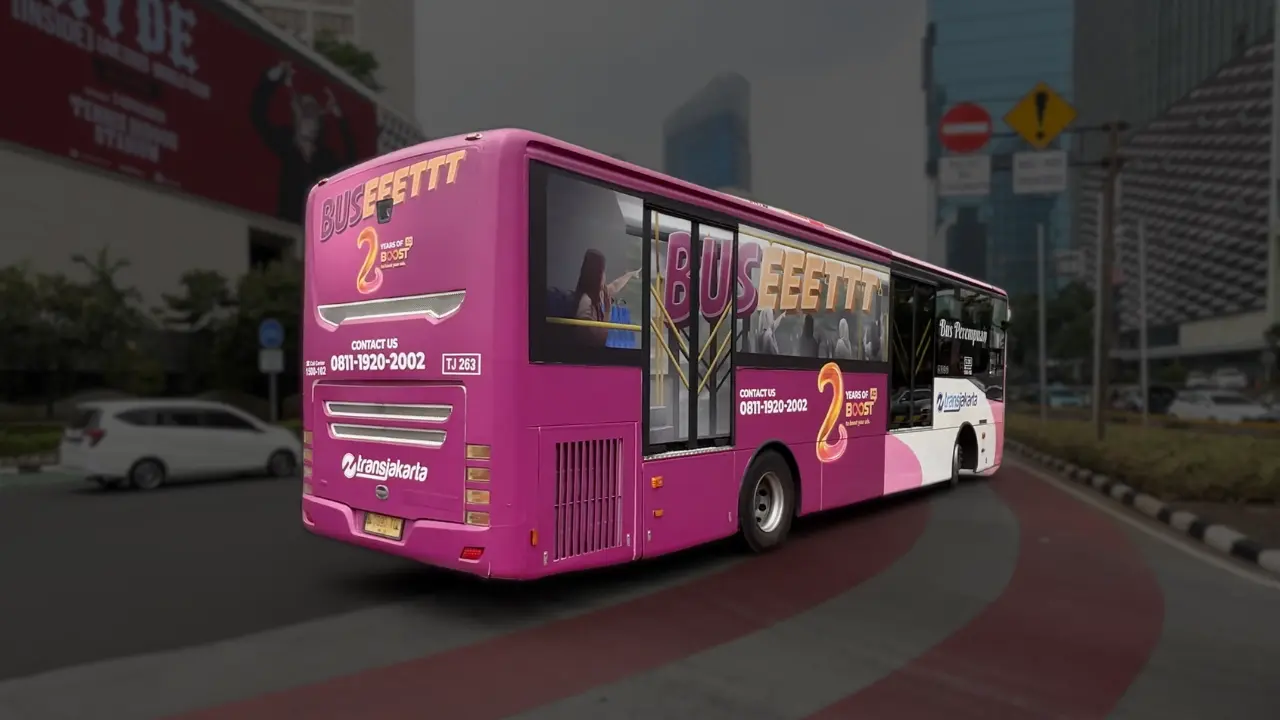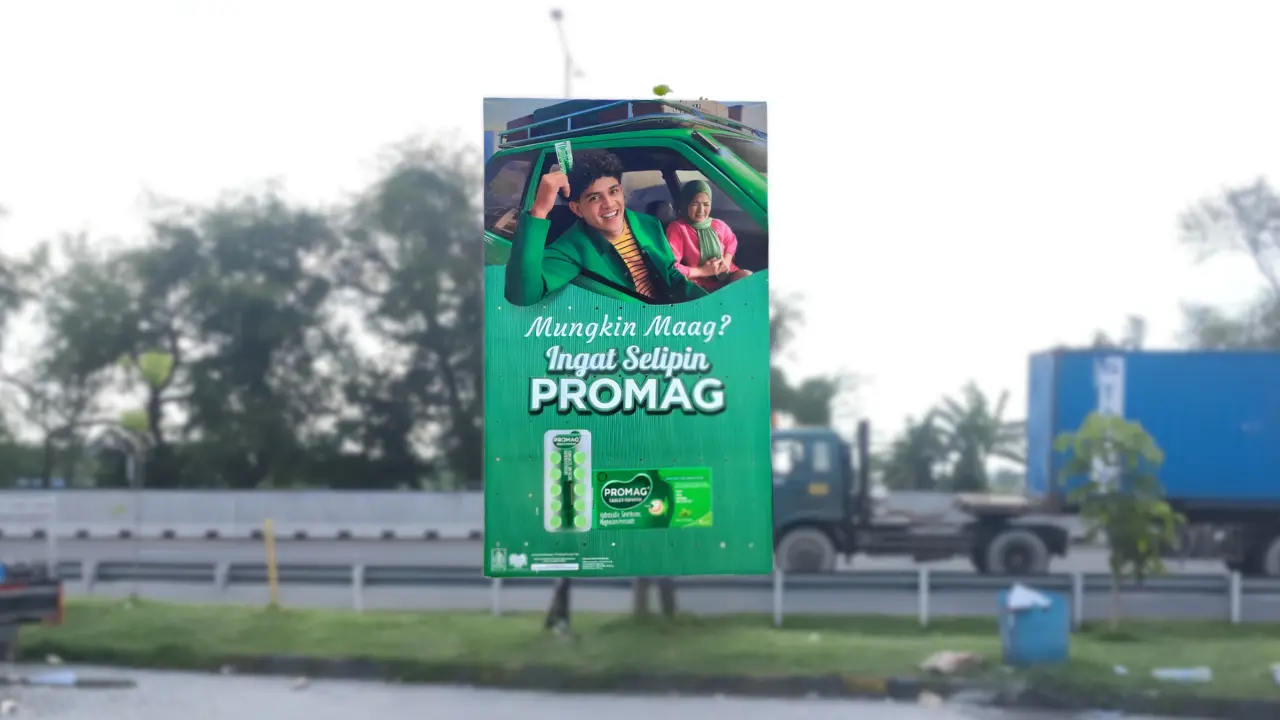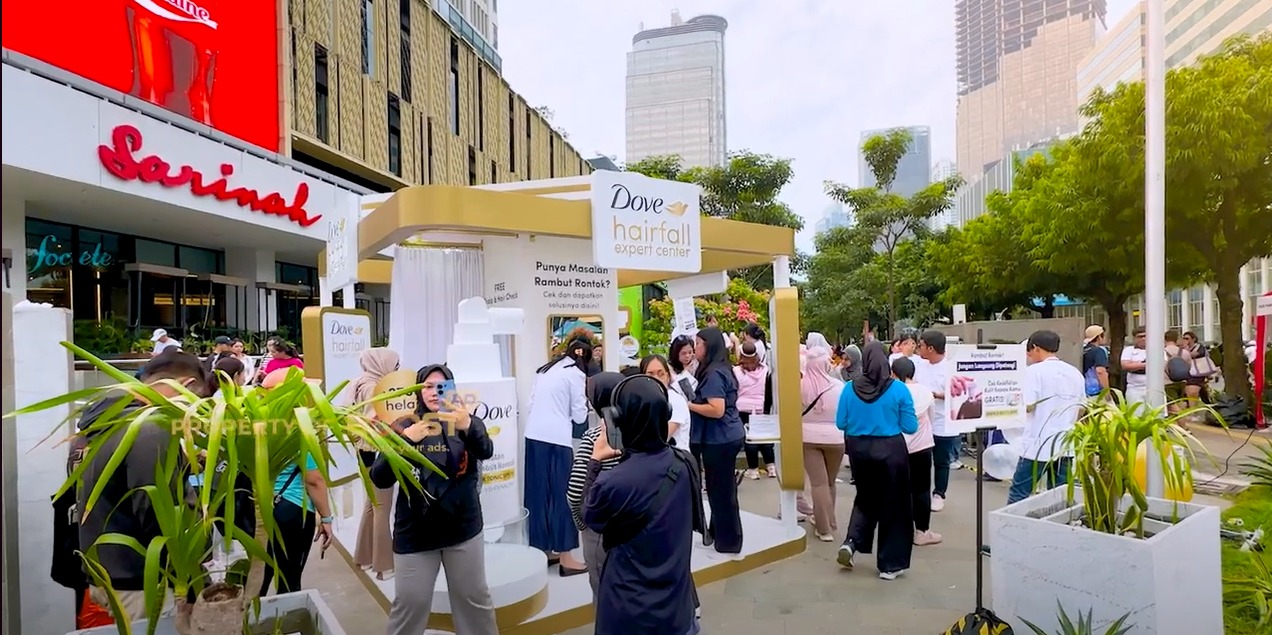
Bus stop advertising is one of the most effective out-of-home (OOH) formats available. It combines high visibility, extended dwell time (5–15 minutes average), and hyper-local targeting at a fraction of the cost of digital or broadcast media. Studies show approximately 86% of passengers recall ads they’ve seen at bus shelters, while a single wrapped bus can generate over a million impressions in a four-week campaign. The key to maximizing effectiveness lies in strategic placement, bold creative design, and integration with digital channels.
What Is Bus Stop Advertising?
Bus stop advertising, also referred to as bus shelter advertising, transit shelter advertising, or street furniture advertising, refers to ads displayed on panels built into bus shelters, benches, and kiosks in high-traffic urban areas. Standard formats include static 6-sheet posters (1.2m x 1.8m), digital screens, and interactive displays. These formats are interchangeable in industry usage. Bus shelter ads are positioned at eye level, making them impossible to miss for pedestrians, commuters, and motorists alike, a physical presence that puts brand messages directly in the sightline of a captive audience.
Static vs Digital Bus Shelter Formats
Static formats use printed, backlit posters, affordable, durable, and bookable in 2-4 week cycles. They’re ideal for sustained brand awareness on a lean budget. Digital formats support animated content, real-time rotation, dayparting capability, and time-based targeting, allowing brands to swap creative without reprinting. BoostAD provides both static and digital street furniture advertising formats across high-density urban corridors in Indonesia, giving brands the flexibility to choose the format that best fits their goals and budget.
Common Bus Shelter Ad Sizes and Specifications
The standard format is the 6-sheet panel (1.2m x 1.8m), large enough to stop attention at distance, close enough to feel personal at street level. Some locations offer supersized panels, double-sided displays, or wrap-around formats for greater visual impact. Digital screens follow similar dimensions but allow for motion, video loops, and scheduled content changes throughout the day, making them particularly effective for time-sensitive campaigns or brands with multiple messages to rotate.
Why Bus Stop Advertising Is So Effective
Bus stop advertising consistently outperforms expectations across multiple performance dimensions. Eye-level placement ensures direct sightline contact. A captive audience with limited distractions means genuine attention. Backlit panels deliver 24/7 exposure across every daypart. And unlike every digital channel, bus shelter advertising exists entirely in the physical world, it is completely ad-blocker-proof. There is no skip button, no paywall, no algorithm suppressing reach. The message simply exists where the audience already is.
Dwell Time — The Hidden Advantage
The average transit rider spends 5-15 minutes waiting at a bus stop, compare that to a 2-second glance at a highway billboard. This extended dwell time means commuters read, absorb, and re-read the message multiple times during a single wait. Unlike TV spots or online banners, there is no skip option. Commuters naturally scan their surroundings while waiting, creating multiple organic exposures per session. This makes bus shelter advertising one of the highest-attention formats in the entire OOH category, not just seen, but genuinely registered.
Reach, Frequency, and Recall Statistics
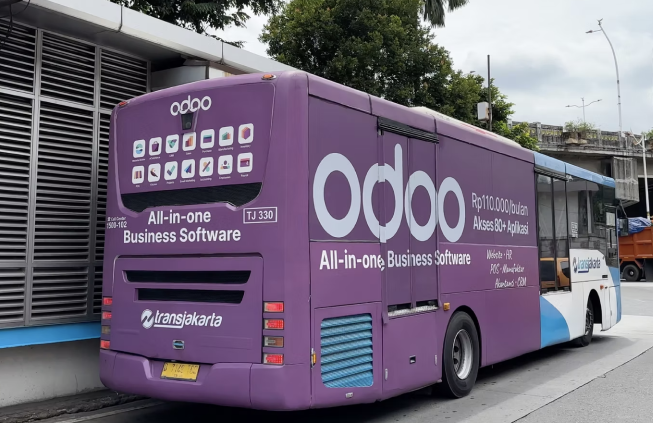
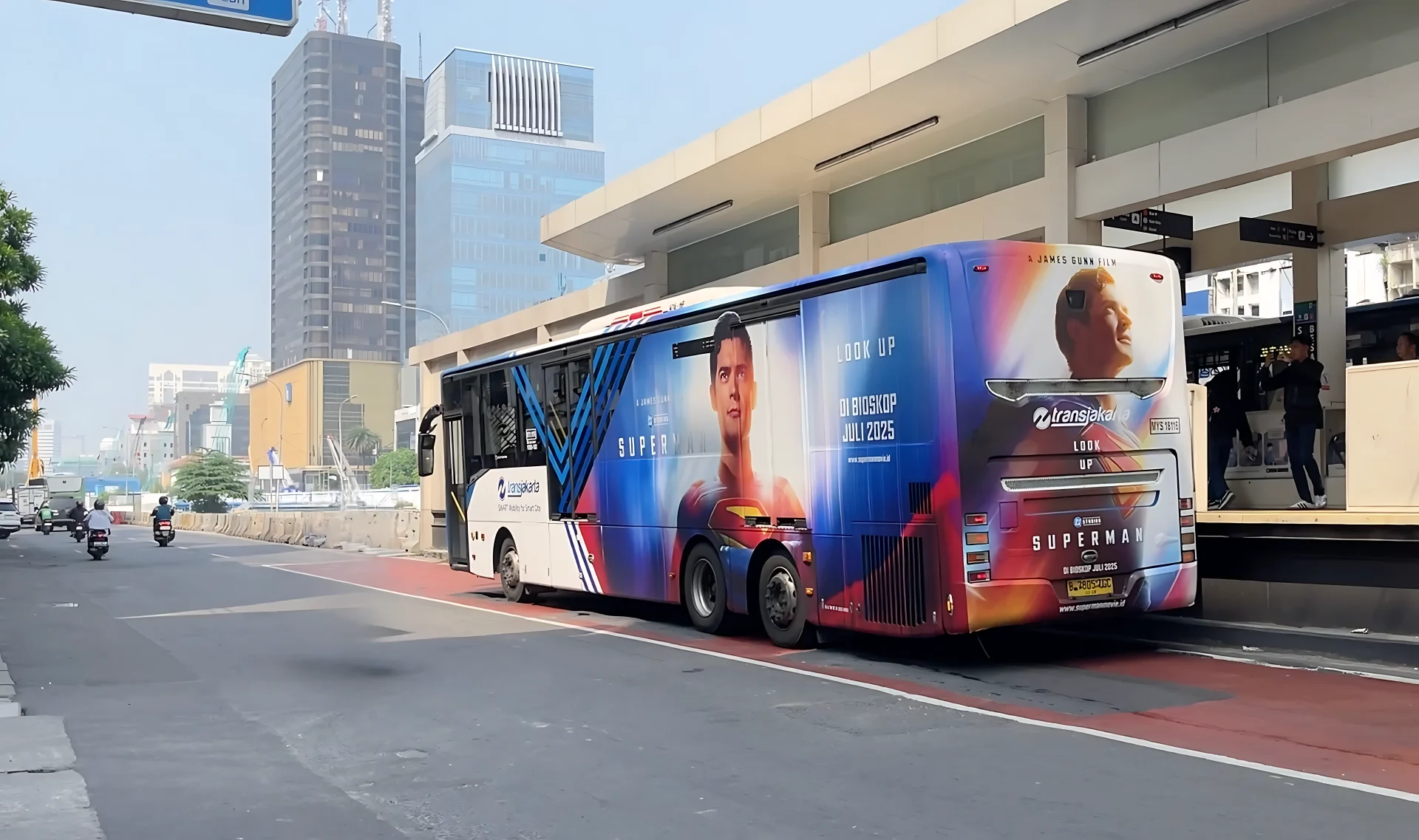
The data supports the format convincingly. Approximately 30 million people view bus ads weekly. 86% of bus passengers recall ads they’ve seen at shelters or on buses. A wrapped bus in a major city generates over 1 million impressions per four-week campaign. Global OOH spending is projected at $41.82 billion in 2025, reflecting growing advertiser confidence in the medium. CPMs for bus shelter advertising typically range from $2 to $15 depending on market tier, significantly lower than premium digital display ($15–$50 CPM) or television.
24/7 Visibility and Ad-Blocker Immunity
Backlit bus shelter panels remain visible day and night, unlike print or non-illuminated outdoor formats. This round-the-clock exposure maximizes total impressions across all dayparts, morning commute, midday foot traffic, evening rush, and late-night passersby. And unlike every digital channel, bus stop ads cannot be blocked by software, skipped after five seconds, or hidden behind a paywall. The message reaches its audience on their terms, in their environment, without negotiating for attention.
Bus Stop Advertising Case Studies
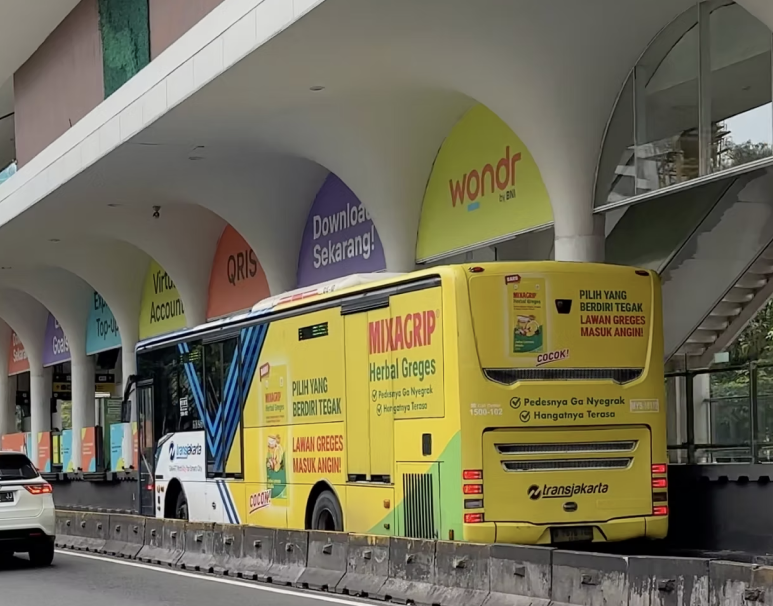
Theory is useful, but real-world results matter more. Multiple documented campaigns demonstrate that bus shelter advertising drives measurable business outcomes, from brand awareness lifts to direct website traffic increases. The common thread across successful campaigns is consistent: strategic placement in high-footfall areas, targeted messaging matched to the audience profile of each location, and creative design built around a clear call-to-action.
Brand Awareness Lift Through Shelter Campaigns
Documented case studies show campaigns achieving a 20% increase in brand awareness within a single month of launching bus shelter ads. Another campaign resulted in a 30% boost in website traffic directly attributed to shelter placements. The key success factors were consistent across both: shelters located in high-traffic areas with significant pedestrian footfall, and targeted messaging tailored to the specific audience at each location. BoostAD’s golden commuter routes across major Indonesian cities provide the same high-frequency exposure that drives these results.
How Small Budgets Can Deliver Big Reach
Bus shelter advertising has one of the lowest barriers to entry in traditional media. A local business can start with a single shelter near their storefront and see meaningful foot traffic impact. When calculated on a CPM basis, the efficiency is striking, a bus generating 1.5 million impressions over four weeks at a moderate cost yields a CPM of approximately $2.67, beating most digital channels. This scalability means campaigns can range from a single hyperlocal shelter to a citywide network without dramatic cost jumps.
Transit Advertising in High-Density Asian Markets
In densely populated urban markets across Asia, transit advertising benefits from even higher pedestrian volumes and commuter density compared to Western benchmarks. Cities like Jakarta, with millions of daily public transport users, amplify every metric, more impressions per shelter, more dwell time due to congestion, and more diverse demographic reach per route. BoostAD’s street furniture network across high-density Indonesian urban corridors is built specifically to capitalize on these market-specific advantages.
Strategic Placement Tips for Maximum Impact
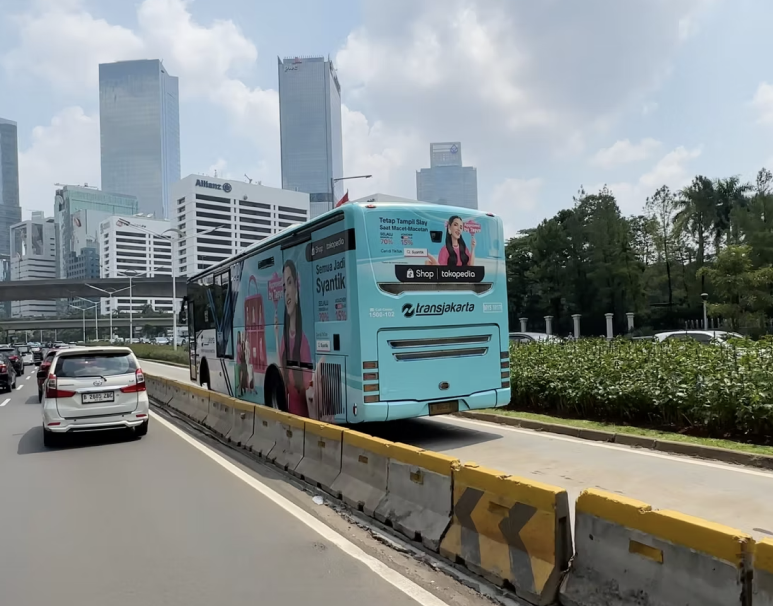
Placement is the single biggest factor in campaign performance. Not all bus stops deliver equal value, a shelter on a quiet residential street will perform very differently from one at a major CBD intersection or a university transit hub. The most effective campaigns treat placement as a strategic decision, not a logistical afterthought. This means analyzing foot traffic data, demographic profiles, and commuter flow patterns before selecting locations rather than defaulting to availability.
High-Traffic Locations and Commuter Corridors
Priority locations include bus stops near shopping districts, central business districts, university campuses, transit interchange hubs, and office clusters. Routes serving CBDs reach professionals during morning and evening commutes. Routes through university areas target younger demographics effectively. Suburban routes connect with families and homeowners. This geographic flexibility allows precise audience targeting without the complexity of programmatic digital advertising. BoostAD specializes in campus–office corridor activations and golden commuter routes across major Indonesian cities.
Contextual and Hyperlocal Ad Placement
The most effective bus stop ads are contextually matched to their surroundings. A shelter near a gym is the right spot for a fitness brand. Near a school? Education or family products. Near a food court? F&B promotions. Localizing the message, referencing local landmarks, community events, or neighborhood-specific language, significantly increases engagement and conversion rates. BoostAD offers hyperlocal audience precision at institutional hubs including schools, universities, offices, and shopping centers, enabling brands to match their message to the micro-environment.
Combining Bus Stop Ads with Digital Channels
Bus stop ads don’t need to work alone. Adding QR codes that link to landing pages, NFC taps for instant engagement, social media hashtags, or geo-targeted mobile retargeting synced with shelter locations creates a powerful offline-to-online loop. Studies consistently show that OOH increases brand search volume and improves online conversion rates, bus stop ads work in the background to lift digital channel performance across every other touchpoint. BoostAD integrates transit media with QR and NFC technology for seamless offline-to-online retargeting.
Design Best Practices for Bus Shelter Ads
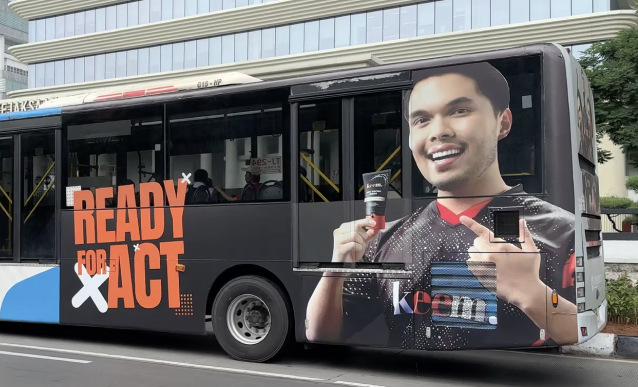
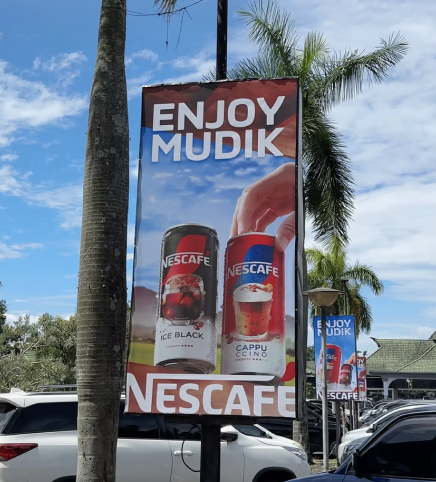
Creative execution matters as much as placement. The most effective bus shelter ads follow a consistent formula, high-contrast visuals that pop at distance, a headline of seven words or fewer, strong branding visible within the first second, and minimal body text so the message reads at street speed. Avoid cluttered layouts. The 6-sheet format is personal and close-up, so treat it like a conversation with one person rather than a billboard shouting at traffic from fifty metres away.
Interactive and Experiential Bus Stop Campaigns
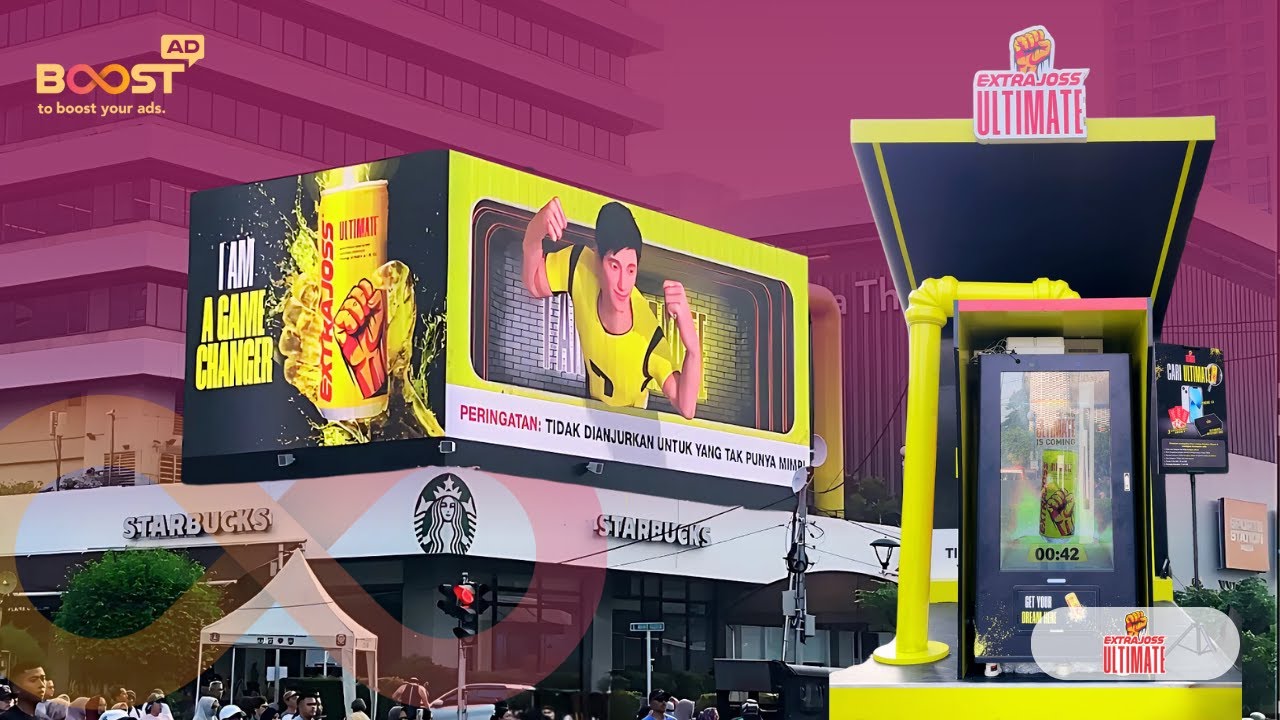
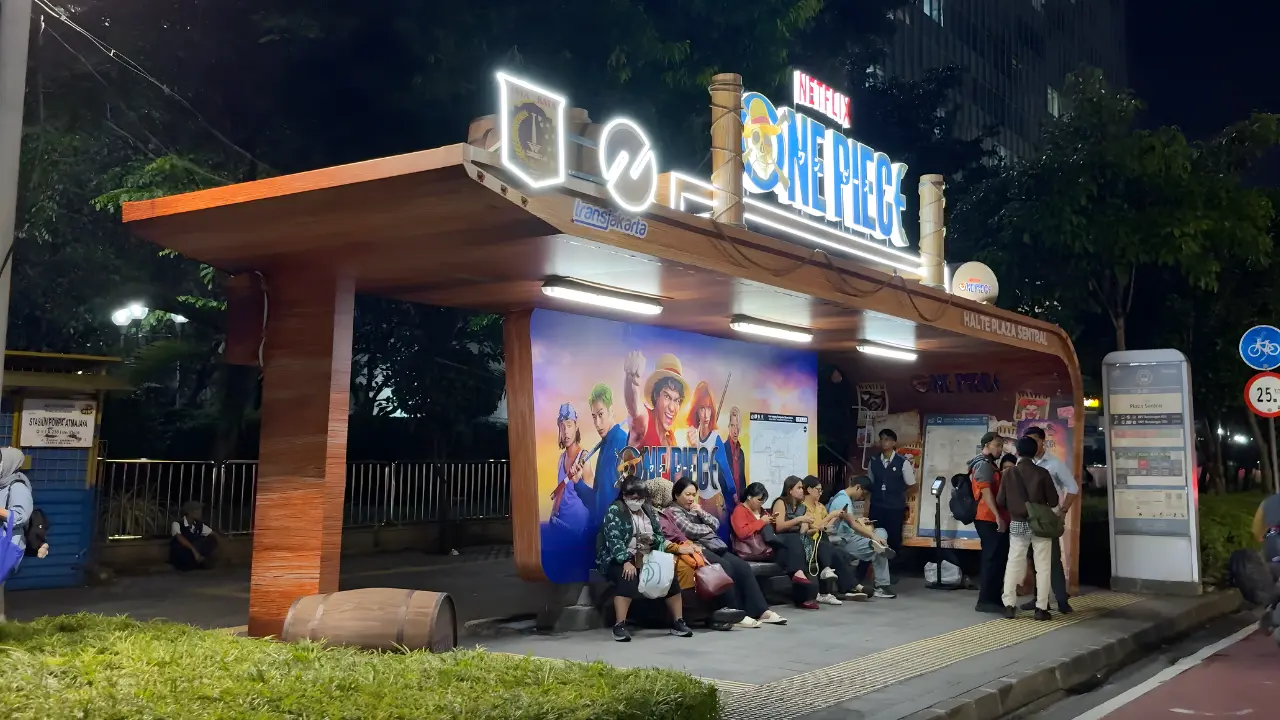
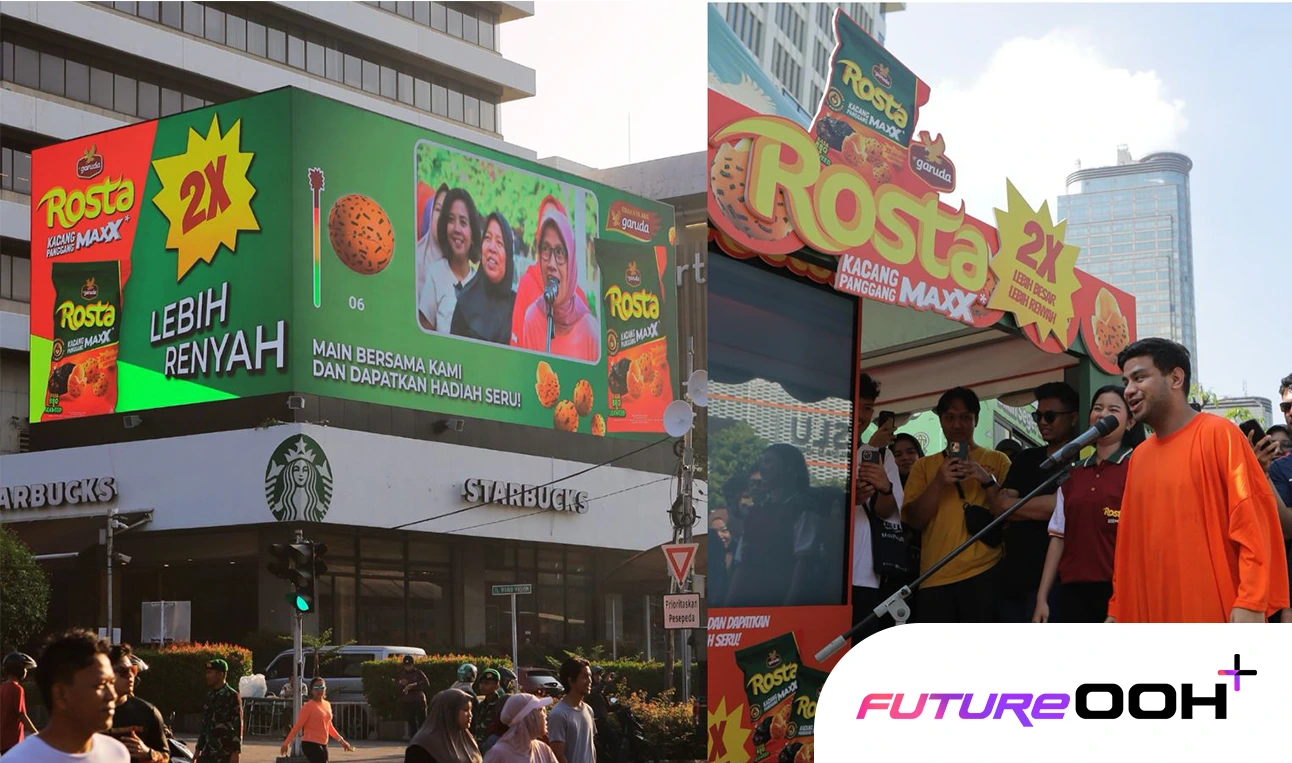
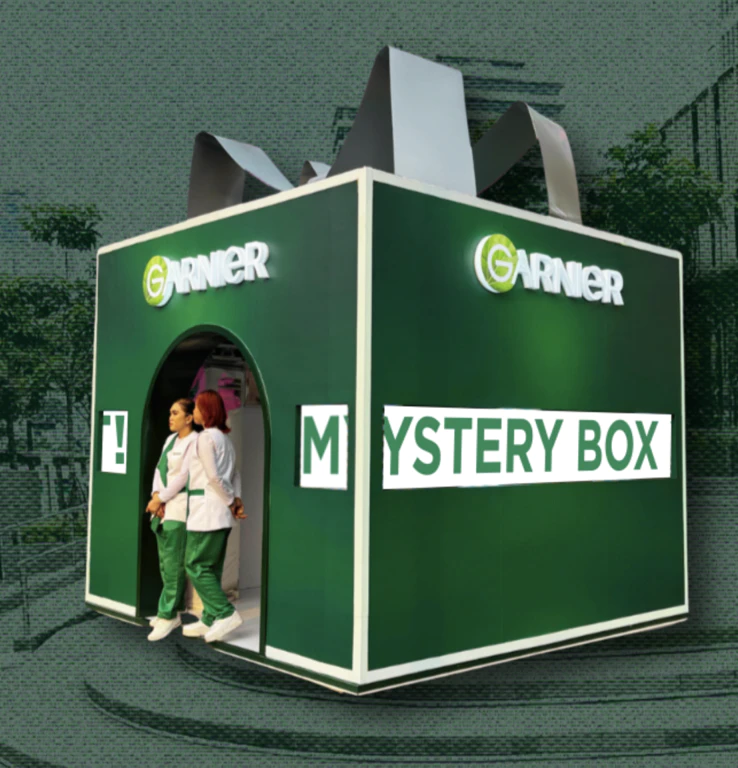
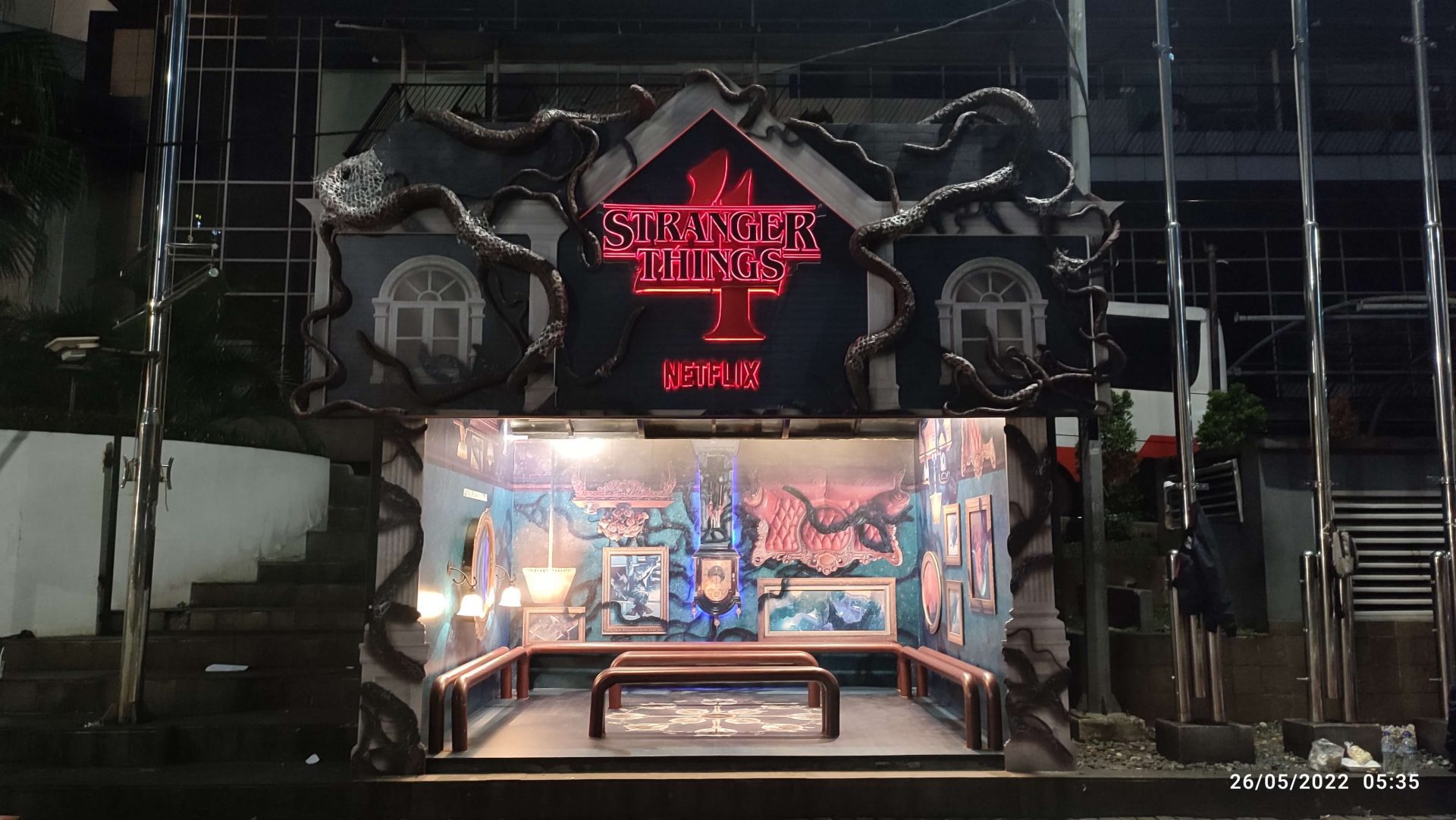
Beyond static creative, interactive and experiential elements transform bus shelters into engagement platforms. Touch screens, augmented reality overlays, 3D installations, and weather-triggered content turn passive viewing into active participation. These experiential campaigns don’t just generate impressions, they generate earned media through social sharing, photos, and word-of-mouth. A creative bus stop activation can reach far beyond the physical location through organic social amplification. BoostAD’s creative branding installations in public spaces push beyond standard panels into immersive brand experiences.
Measuring Bus Stop Advertising ROI
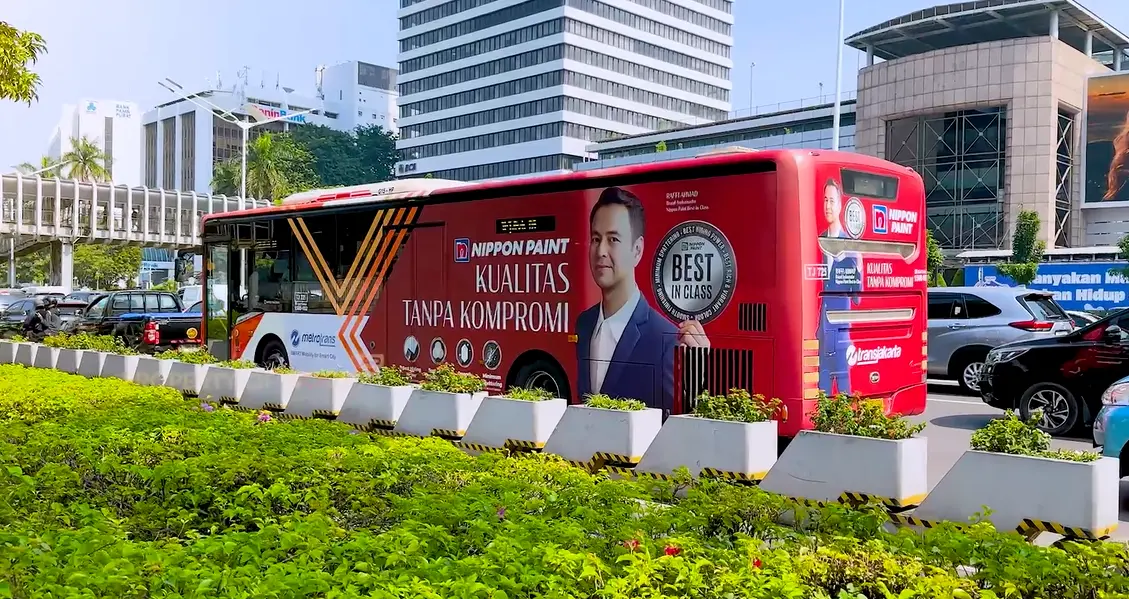
Measuring OOH has traditionally been challenging, but modern tools have closed the gap significantly. The core metrics for bus stop advertising are reach (unique individuals exposed), frequency (repeat exposures over the campaign period), total impressions (traffic volume multiplied by dwell time factors), recall lift (pre/post surveys), and attribution (foot traffic, search, and conversion tracking). Digital shelters offer even more precise measurement through content rotation tracking and audience analytics layered onto physical placement data.
Key Metrics and How to Track Them
Practical tracking methods include unique URLs or vanity domains on shelter creative, QR scan rate tracking, dedicated promo codes, monitoring search volume spikes in shelter-adjacent zip codes, and footfall attribution via mobile location data. Compare pre-campaign and post-campaign metrics across all tracked channels to isolate the shelter campaign’s contribution. For digital bus shelters, real-time play logs show exactly when and how often each creative ran. BoostAD’s approach of bundling street furniture with DOOH and contextual triggers, like time of day, weather, enables more granular performance insight than traditional static placements.
Is Bus Stop Advertising Right for Your Brand?
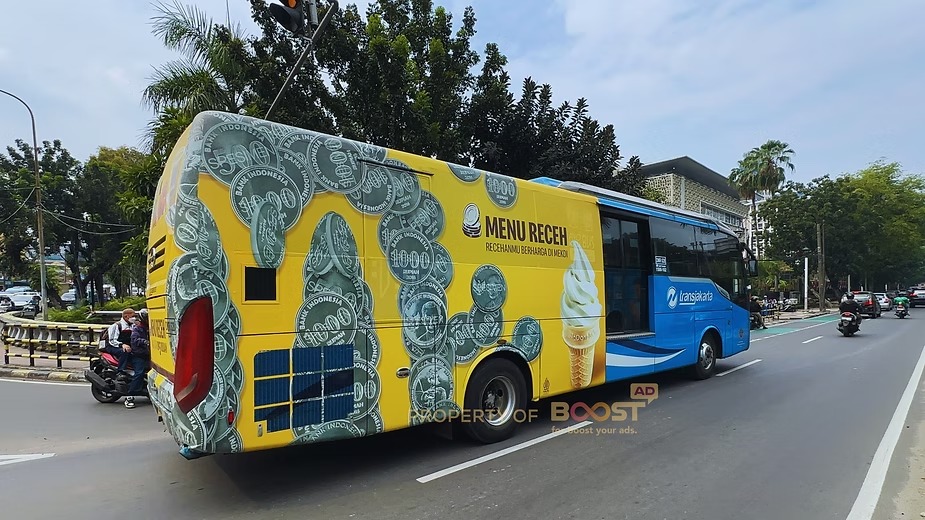
Bus stop advertising works across a wide range of categories, such as FMCG, retail, education, property, F&B, financial services, and local businesses all benefit from the format’s combination of reach, frequency, and affordability. It’s most effective for product launches that need rapid local awareness, sustained brand campaigns that build over weeks and months, and hyperlocal promotions tied to specific neighborhoods or commuter routes.
The format is accessible to both national brands running citywide networks and SMEs targeting a single corridor. If your audience uses public transport, walks city streets, or drives urban routes, then bus stop advertising puts your brand directly in their path, at eye level, without a skip button.
BoostAD provides end-to-end transit and street furniture advertising across Indonesia, from strategic route selection and creative execution to performance measurement, making it straightforward to activate the format at any scale.